

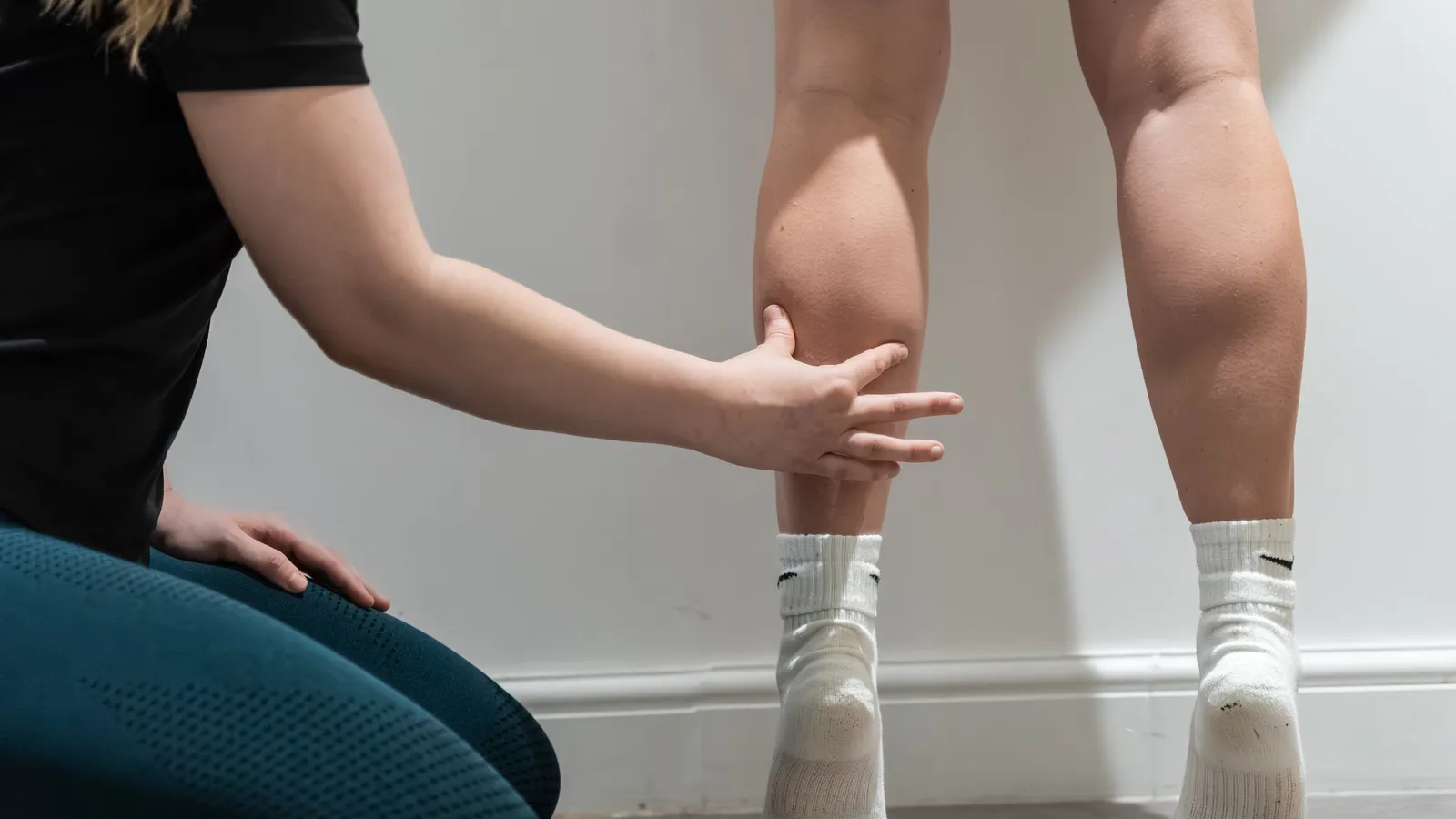
In the realm of injury recovery, conventional wisdom often dictates rest as the primary prescription.
However, as we delve deeper into the intricacies of research, a shift is underway. For a long time, we have been challenging the notion that complete rest is always necessary for healing. This might be the case for boney injuries, however, for neuromuscular injuries we instead advocate for a nuanced approach that incorporates movement, particularly running (for runners), as a form of rehabilitation.
Rest is not always best
When faced with an injury, the knee-jerk reaction is often to cease all physical activity. While rest may seem like the logical solution, it may not always be the most effective one. In fact, studies have shown that a total halt in activity can lead to deconditioning of the musculoskeletal system, prolonging recovery and potentially exacerbating the issue in the long run.
Gradual exposure wins
Enter the concept of graded exposure. Rather than avoiding movement altogether, the key lies in strategically modifying the volume, intensity, and frequency of activity to strike a delicate balance between load and capacity. By gradually exposing the body to controlled levels of stress, we can stimulate adaptive changes in the musculoskeletal system without provoking a flare-up of pain or symptoms.
For runners, this principle forms the basis of running as rehabilitation. Contrary to popular belief, lacing up your running shoes can be a viable path to recovery, provided it's approached with caution and mindfulness. The crucial factor is ensuring that the level of force exerted during running remains below your current level of conditioning. In other words, it's about finding the sweet spot where you're challenging your body without overtaxing it.
For seasoned runners, this might entail dialing back the mileage or intensity of their runs temporarily. It's not about grinding through pain or pushing past your limits; rather, it's about listening to your body and respecting its signals. By incorporating running into your rehabilitation regimen, you're not only maintaining a level of physical activity but also harnessing the therapeutic benefits that come with it.
Running and its benefits
Moreover, running offers more than just physical benefits – it can be a powerful tool for mental well-being. The rhythmic motion of running, coupled with the release of endorphins, can act as a natural stress reliever and mood booster. For many, the psychological aspect of returning to a beloved activity like running can be just as instrumental in the healing process as the physiological aspect.
This also applies to any sport. Staying as close to the specific task allows us to maintain adequate conditioning, keep up moral and shortens the journey back to full fitness.
Of course, it's essential to emphasise that running as rehabilitation isn't a one-size-fits-all solution. Every injury and individual is unique, and what works for one person may not work for another. It's crucial to consult with a qualified healthcare professional, such as a physiotherapist or sports therapist, to tailor a rehabilitation plan that aligns with your specific needs and circumstances.
Conclusion
The notion that rest is always the answer to injury has been challenged for many years, yet we still see this in our industry. By adopting a graded exposure approach and incorporating exercise/running into your rehabilitation regimen, you can promote adaptive changes in the musculoskeletal system while maintaining a level of physical activity that supports your overall well-being. Running isn't just a form of exercise – it's a pathway to rehabilitation and resilience.
For any injury or rehabilitation questions, book an appointment with us.
Related conditions & services
Ready to move better?
Book an appointment and we'll work out what's going on and build a plan around your goals.