

Blog / Recovery
The Power of Physiotherapy Rehabilitation: A Path to Recovery and Strength
Updated October 2026
March 2025 · 7 min read
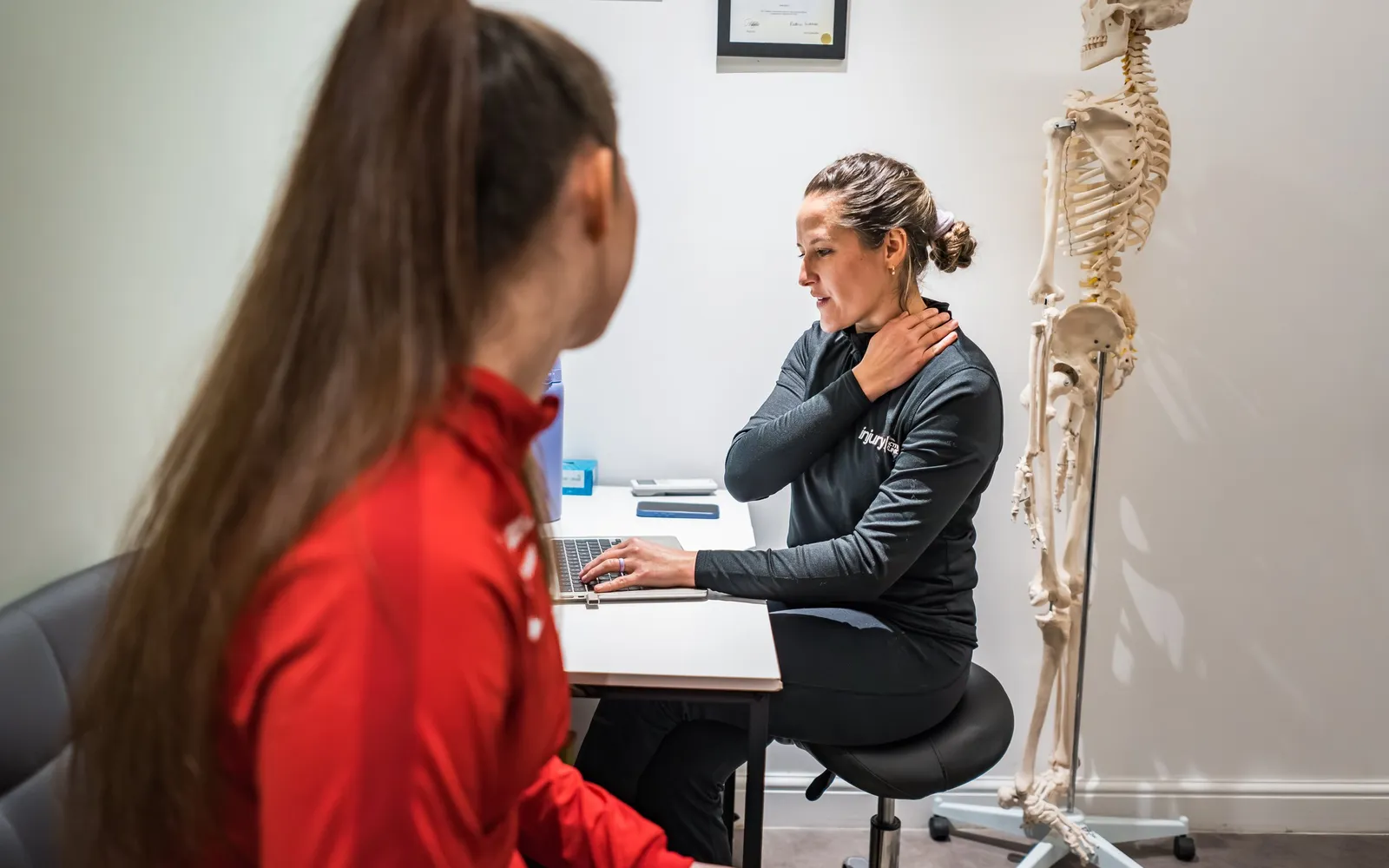
Injuries, surgeries, and chronic pain can significantly impact our daily lives, limiting mobility and reducing overall well-being. Physiotherapy rehabilitation is a crucial component in the recovery process, offering structured treatment plans designed to restore function, relieve pain, and prevent future injuries. Whether you are recovering from an accident, managing a long-term condition, or simply looking to enhance your physical capabilities, physiotherapy plays a vital role in regaining strength and independence.
Understanding Physiotherapy Rehabilitation
Physiotherapy rehabilitation is a specialised form of treatment designed to aid recovery from injury, illness, or surgery by promoting healing, restoring mobility, and improving overall physical function. It encompasses a wide range of evidence-based techniques, including therapeutic exercises, manual therapy, and education to support the individual’s recovery journey.
A qualified physiotherapist conducts a thorough assessment of the patient’s condition, taking into account medical history, physical limitations, and personal goals. Based on this evaluation, the physiotherapist develops a personalised rehabilitation programme tailored to address the individual’s specific needs and functional impairments. This may involve exercises to strengthen muscles, improve flexibility, enhance balance and coordination, as well as strategies to manage pain and prevent re-injury.
Throughout the rehabilitation process, the physiotherapist monitors progress closely, adjusting the treatment plan as needed to ensure a gradual, safe, and effective recovery. The ultimate aim is to help individuals regain independence, optimise their physical capabilities, and return to normal daily activities or sports.
Benefits of Physiotherapy Rehabilitation
Pain Management
Chronic pain and post-injury discomfort can be effectively alleviated through a combination of targeted exercises and soft tissue mobilisation. These physiotherapeutic interventions aim to reduce pain, enhance tissue healing, and improve overall function.
Targeted exercises are carefully selected to strengthen specific muscle groups, improve joint stability, and restore mobility, thereby addressing the underlying causes of pain and dysfunction. Soft tissue mobilisation techniques, including massage and myofascial release, help to reduce muscle tension, improve circulation, and promote the natural healing process.
When applied as part of a comprehensive rehabilitation programme, these approaches work synergistically to relieve discomfort, restore function, and improve the individual’s quality of life.
Improved Mobility and Flexibility
A structured physiotherapy programme that incorporates guided stretching, strengthening exercises, and joint mobilisation techniques can effectively address limited movement resulting from injury or surgery. These interventions can restore flexibility, improve joint range of motion, and enhance overall functional capacity.
Guided stretching helps to lengthen tight or shortened muscles, reduce stiffness, and improve the elasticity of soft tissues. This not only aids in regaining normal movement patterns but also helps prevent compensatory strain on surrounding areas.
Strengthening exercises are tailored to target weakened or inefficient muscle groups, promoting greater stability and support around the affected joints. Gradual progression of resistance and intensity ensures a safe and effective recovery, helping individuals regain control and confidence in their movements.
Joint mobilisation techniques, performed by a physiotherapist, involve the gentle and precise movement of joints to reduce stiffness, improve alignment, and restore smooth, comfortable mobility. These techniques are particularly beneficial in cases where joint restrictions are contributing to limited motion or discomfort.
Together, these physiotherapeutic strategies form a comprehensive approach to rehabilitation, enabling patients to recover movement, regain independence, and return to their daily activities with improved comfort and ease.
Injury Prevention
Physiotherapists play a vital role in educating patients on proper movement patterns, and the importance of strengthening weak or imbalanced areas to help prevent re-injury and promote long-term musculoskeletal health. Education is a fundamental component of physiotherapy, empowering individuals with the knowledge and skills needed to manage their condition effectively and reduce the risk of future complications.
Through personalised guidance, physiotherapists teach patients how to perform movements safely and efficiently, whether during daily activities, work tasks, or exercise routines. Maintaining correct body mechanics can significantly reduce strain on joints, muscles, and soft tissues.
Additionally, targeted strengthening exercises are prescribed to address muscular weaknesses, imbalances, or instability that may contribute to injury risk. By building strength and resilience in these areas, patients are better equipped to move with control and confidence, reducing the likelihood of recurrence.
This proactive, educational approach not only aids recovery but also supports long-term well-being and promotes active, independent living.
Post-Surgical Recovery
Following surgeries such as knee replacements, spinal procedures, or other orthopaedic interventions, physiotherapy plays a crucial role in ensuring proper healing and facilitating a gradual, safe return to normal daily activities. Post-operative rehabilitation is an essential part of the recovery process, helping to optimise outcomes, restore function, and prevent complications.
Physiotherapists develop structured rehabilitation programmes tailored to each patient’s specific procedure, individual needs, and recovery goals. These programmes typically include a combination of therapeutic exercises, mobility training, pain management strategies, and functional reconditioning.
In the early stages after surgery, physiotherapy focuses on reducing pain and swelling, promoting circulation, and restoring basic movement. As healing progresses, the emphasis shifts towards improving joint range of motion, strengthening surrounding muscles, and enhancing balance and coordination.
For procedures such as total knee or hip replacements, regaining mobility, rebuilding strength, and relearning movement patterns are key objectives. In the case of spinal surgeries, careful guidance is provided to restore the spinal range of movement and core stability while avoiding strain or reinjury.
Throughout the rehabilitation journey, physiotherapists monitor progress closely and adapt the programme as necessary to ensure continued improvement. This comprehensive, individualised approach supports a smoother recovery process and enables patients to resume their usual activities, work, or sport with greater confidence and independence.
Neurological Rehabilitation
Patients with neurological conditions such as stroke, Parkinson’s disease, multiple sclerosis, or traumatic brain injury greatly benefit from physiotherapy interventions aimed at enhancing coordination, balance, and overall motor function. Neurological physiotherapy focuses on improving movement quality and functional independence by addressing the specific impairments caused by damage to the nervous system.
A physiotherapist conducts a comprehensive assessment to identify the individual’s strengths, limitations, and specific rehabilitation goals. They then tailor treatment plans to support recovery or optimise function, depending on the nature and progression of the condition.
Therapeutic exercises can help retrain motor control, strengthen weakened muscle groups, and improve flexibility. Balance and coordination training plays a key role in reducing the risk of falls and enhancing stability during everyday activities. Physiotherapists may also incorporate gait re-education, functional movement practice, and task-specific training to support the relearning of essential skills such as walking, sitting, or reaching.
In conditions like Parkinson’s disease, physiotherapy can help manage symptoms such as stiffness, slowness of movement, and postural instability, promoting better mobility and quality of life. For stroke survivors, rehabilitation may focus on restoring movement to affected limbs, improving symmetry and coordination, and encouraging neuroplasticity—the brain’s ability to adapt and form new connections.
Through ongoing support and structured therapy, neurological physiotherapy empowers patients to maximise their physical potential, regain independence, and maintain a more active and fulfilling lifestyle.
Sports Rehabilitation
Athletes recovering from injuries benefit greatly from sport-specific rehabilitation, a specialised area of physiotherapy designed to help them regain optimal performance levels and return to training or competition safely and effectively. This targeted approach addresses the unique physical demands of each sport, ensuring that rehabilitation not only supports healing but also prepares the athlete for the intensity and mechanics of their chosen discipline.
Following a detailed assessment, physiotherapists develop individualised rehabilitation programmes that focus on restoring strength, flexibility, endurance, and neuromuscular control. Emphasis is placed on correcting biomechanical imbalances, improving movement efficiency, and progressively reintroducing sport-specific drills and functional activities.
Sport-specific rehabilitation often includes agility training, plyometrics, proprioceptive exercises, and dynamic strength work tailored to the requirements of the athlete’s sport. Whether it’s sprinting, jumping, tackling, or throwing, the exercises are designed to closely replicate real-game movements, allowing athletes to build confidence and return to peak performance with reduced risk of re-injury.
Throughout the recovery process, physiotherapists also monitor key performance indicators, make necessary adjustments to the rehabilitation plan, and work in collaboration with coaches, trainers, and other health professionals to ensure a smooth transition back to competitive play.
By bridging the gap between injury recovery and high-level performance, physiotherapy plays an essential role in supporting athletes’ return to sport while promoting resilience, longevity, and continued athletic development.
What to Expect During Physiotherapy Rehabilitation
Your physiotherapy journey begins with an initial assessment, where your therapist will evaluate your medical history, current condition, and functional limitations. Based on this evaluation, a personalised rehabilitation will include:
- Exercise Therapy: Strengthening and stretching routines to improve flexibility and endurance.
- Manual Therapy: Hands-on techniques to relieve stiffness and improve mobility.
- Education & Lifestyle Modifications: Guidance and activity modifications to support long-term recovery.
Commitment to Recovery
Physiotherapy rehabilitation is a gradual process that requires patience and consistency. Adhering to prescribed exercises, attending sessions regularly, and following your therapist’s recommendations are key factors in achieving the best results.
Final Thoughts
Physiotherapy rehabilitation is a powerful tool for those looking to regain strength, mobility, and confidence in their physical abilities. With a structured approach and professional guidance, individuals can overcome injuries, manage chronic conditions, and enhance their overall quality of life. Whether you’re recovering from an injury or aiming to improve your physical health, physiotherapy can be the stepping stone to a stronger, more active future.
If you're considering physiotherapy rehabilitation, get in touch to discuss your specific needs and begin your journey to recovery today.
Related conditions & services
Ready to move better?
Book an appointment and we'll work out what's going on and build a plan around your goals.